


Buying Yu-Gi-Oh! singles is the fastest way to finish a deck or a collection, but it's also where new buyers make the most avoidable mistakes. The same card can exist in a dozen printings at very different prices, and a listing packs a lot of information into one line. This guide explains how to read that line, which printing to choose, and when it pays to wait.
How to read a Yu-Gi-Oh! singles listing

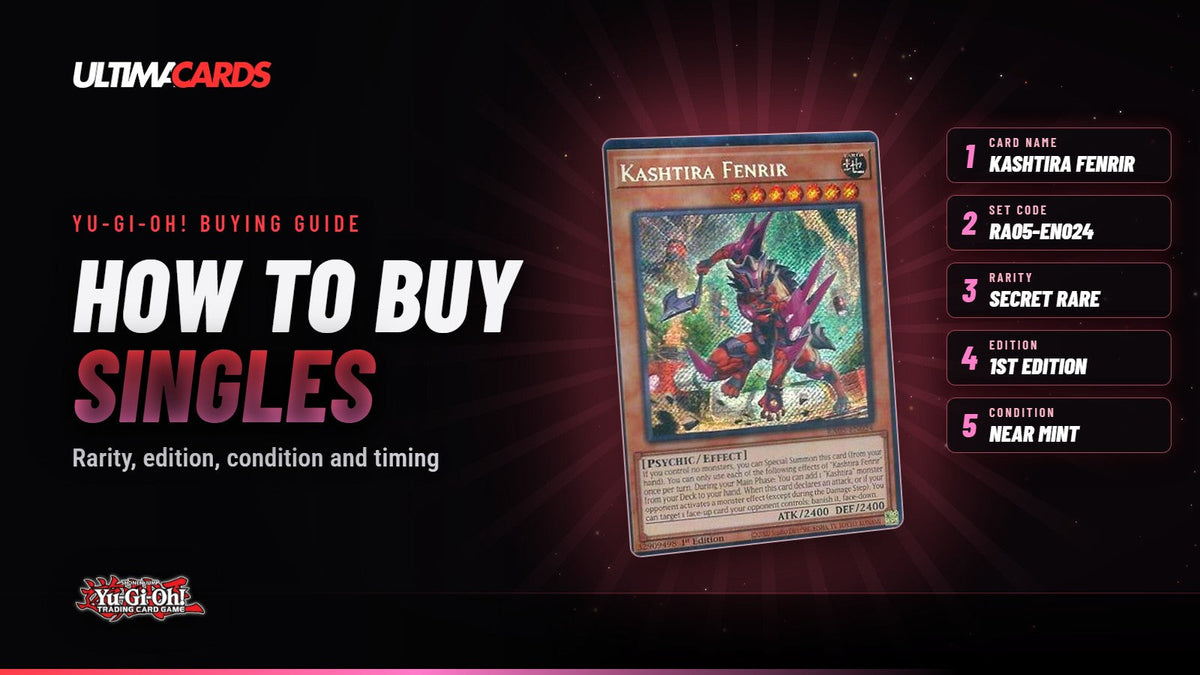
Take a listing like Kashtira Fenrir - RA05-EN024 - Secret Rare - 1st Edition - Near Mint. It has five parts.
- Card name. The exact name matters. Many cards have near-identical names, and "retrained" versions of famous monsters are different cards.
- Set code. RA05-EN024 means set RA05 (Rarity Collection 5), English, card 24. The code is printed below the artwork on the right. It tells you which printing you're looking at.
- Rarity. The foil treatment: Common, Super Rare, Ultra Rare, Secret Rare and the premium tiers above them. Our Yu-Gi-Oh! rarities guide shows how to tell them apart.
- Edition. 1st Edition, Unlimited or Limited Edition. See our guide to 1st Edition vs. Unlimited.
- Condition. Near Mint down to Damaged. Our card condition guide explains each grade.
If a listing is missing the set code or the rarity, you don't know what you're buying. That's the first thing to check on any marketplace.
Which rarity should you buy?
Every printing of a card plays the same. A Common and a Starlight Rare of the same card have the same text and are both legal. So the choice comes down to what you want the card for.
For a deck
Buy the lowest rarity in a condition you're happy with. The money you save on one playset often pays for another. Two things can change that:
- Some cards have only one printing. A new card from the latest core set may exist only as a Secret Rare until it's reprinted.
- Rarity Collections make higher rarities cheap. These sets print tournament cards in several rarities at once, so the Super Rare version is often the budget copy.
For a collection
Pick the printing you'll still be glad to own in five years. For most collectors that means a premium rarity, an original printing, or a specific artwork. Our guides to Quarter Century Secret Rares, Starlight Rares and Ultimate Rares cover the main premium tiers.
How many copies do you need?
You can run up to three copies of a card across your Main, Extra and Side Deck, unless the Forbidden & Limited List says otherwise. Three copies is called a playset.
- Engine cards and hand traps: usually three.
- Extra Deck monsters: usually one, sometimes two.
- Limited cards: one. Semi-Limited cards: two.
Don't assume three. Check a current list for your deck before you order, and check the Forbidden & Limited List for every card in the cart. Buying three copies of a card that's Limited to one is the most common wasted purchase we see.
Condition: what's good enough?
For cards that go into sleeves and get shuffled, Lightly Played is usually fine. The wear is minor and invisible in a sleeve. For anything you'll display, grade or keep as a long-term piece, buy Near Mint.
Foils need more care than Commons. Scratches and edge wear show more on a foil surface, so look closely at condition on Ultra Rares and above.
Timing: when to buy and when to wait
Singles prices move for predictable reasons. You can't call the market, but you can avoid the worst moments.
- Release week. Cards from a new set are usually at their highest in the first days, when few copies have been opened. Prices on most cards settle over the following weeks.
- After a big tournament. Cards from a winning deck jump, then often ease off.
- Before a banlist. A card that gets Forbidden loses its play demand overnight. A card that comes off the list can spike. If a card is widely expected to be hit, think twice before paying full price.
- Before a reprint. Reprint sets are announced months ahead. If a card you want is confirmed for one, the older printings usually soften when it arrives.
Our Yu-Gi-Oh! release schedule lists what's coming, so you can see which reprint sets are close.
One rule beats all the timing advice: if you need a card for an event this weekend, buy it. Saving a few dollars isn't worth missing the tournament.
What to buy first
If you're building toward competitive play, buy in this order:
- Staples. Hand traps and generic Extra Deck monsters go in almost every deck, so they stay useful when you change strategies. See our Yu-Gi-Oh! staples guide.
- Your deck's engine. The cards that only your strategy plays.
- Side Deck cards. Narrow answers for specific matchups.
- Rarity upgrades. Last, and only if you want them.
Our Yu-Gi-Oh! deck building guide helps you settle the list before you spend.
Shopping by set
Searching by card name is the quickest way to find one card. Browsing by set is better when you want several cards from the same release, or when you're filling a binder. We keep a page for each of the sets we list the most singles from, including:
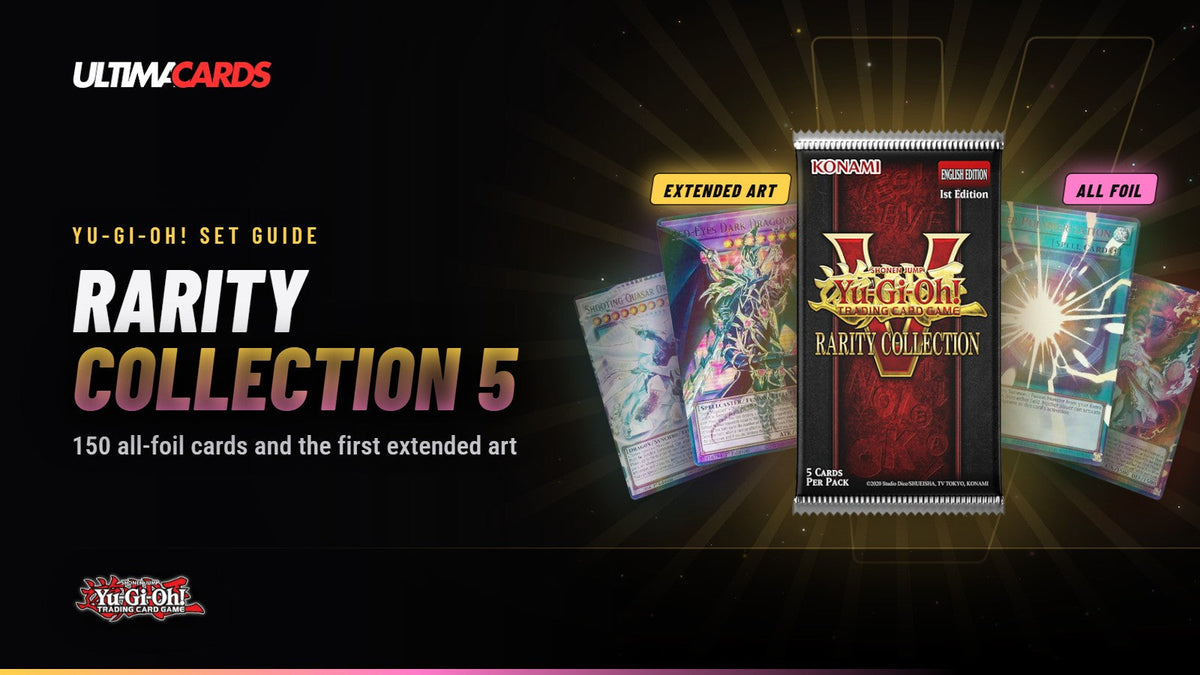
- Rarity Collection 5 singles
- Quarter Century Stampede singles
- Quarter Century Bonanza singles
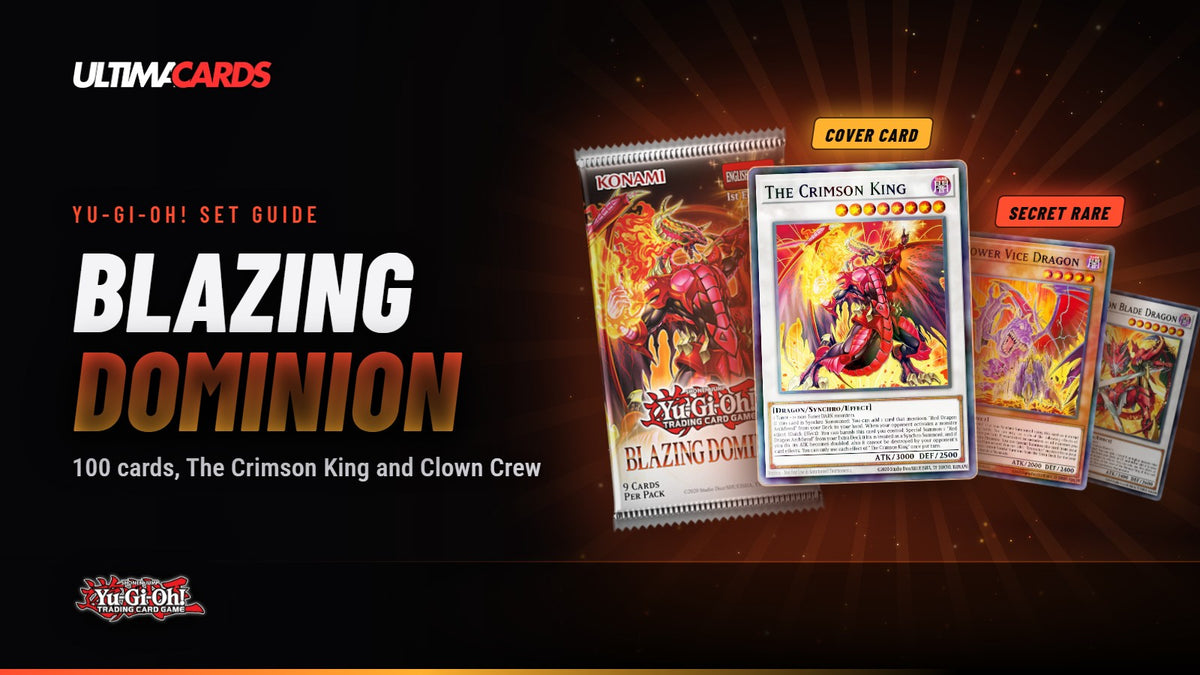
- Blazing Dominion singles
- Beyond the Brave singles
- Magnificent Monsters singles
- 2025 Mega-Pack singles
Each page can be filtered by rarity, and you can sort by price.
How to avoid fakes and bad listings
Counterfeit Yu-Gi-Oh! cards exist, mostly of expensive older cards and popular premium rarities. Three habits protect you:
- Buy from a seller who stands behind authenticity. A price far below every other listing is a warning, not a deal.
- Match the set code to the card. A set code that doesn't exist for that card is the easiest fake to catch.
- Check the foil and the text. Blurry text, a missing foil stamp in the corner, or the wrong foil pattern are common signs.
Our guide on how to spot fake Yu-Gi-Oh! cards goes through each check.
Buying Yu-Gi-Oh! singles at Ultima Cards
Our Yu-Gi-Oh! singles are searchable by card name, and each listing shows the set code, rarity and edition. Every card is 100% authentic. We ship across Canada, and Canadian orders over $250 CAD ship free. Sales are final once an order ships, so check the printing and condition before you check out. If you have cards to move, see how to sell your collection.
Frequently asked questions
Is it cheaper to buy Yu-Gi-Oh! singles or booster packs?
For specific cards, singles are almost always cheaper. Packs make sense if you enjoy opening them or want a broad spread of a set. Our booster box vs. singles post compares them.
What is the cheapest rarity in Yu-Gi-Oh!?
Common, when a card has one. For cards printed only in foil, the lowest foil rarity, usually Super Rare, is normally the cheapest.
Does rarity change what a card does?
No. Every printing of a card has the same effect and the same legality.
What is a playset in Yu-Gi-Oh!?
Three copies of a card, which is the most you can run unless the card is Limited or Semi-Limited.
Should I buy 1st Edition or Unlimited?
For play, whichever is cheaper. For collecting, 1st Edition is usually the more sought-after printing, especially on older sets.

Leave a comment
This site is protected by hCaptcha and the hCaptcha Privacy Policy and Terms of Service apply.